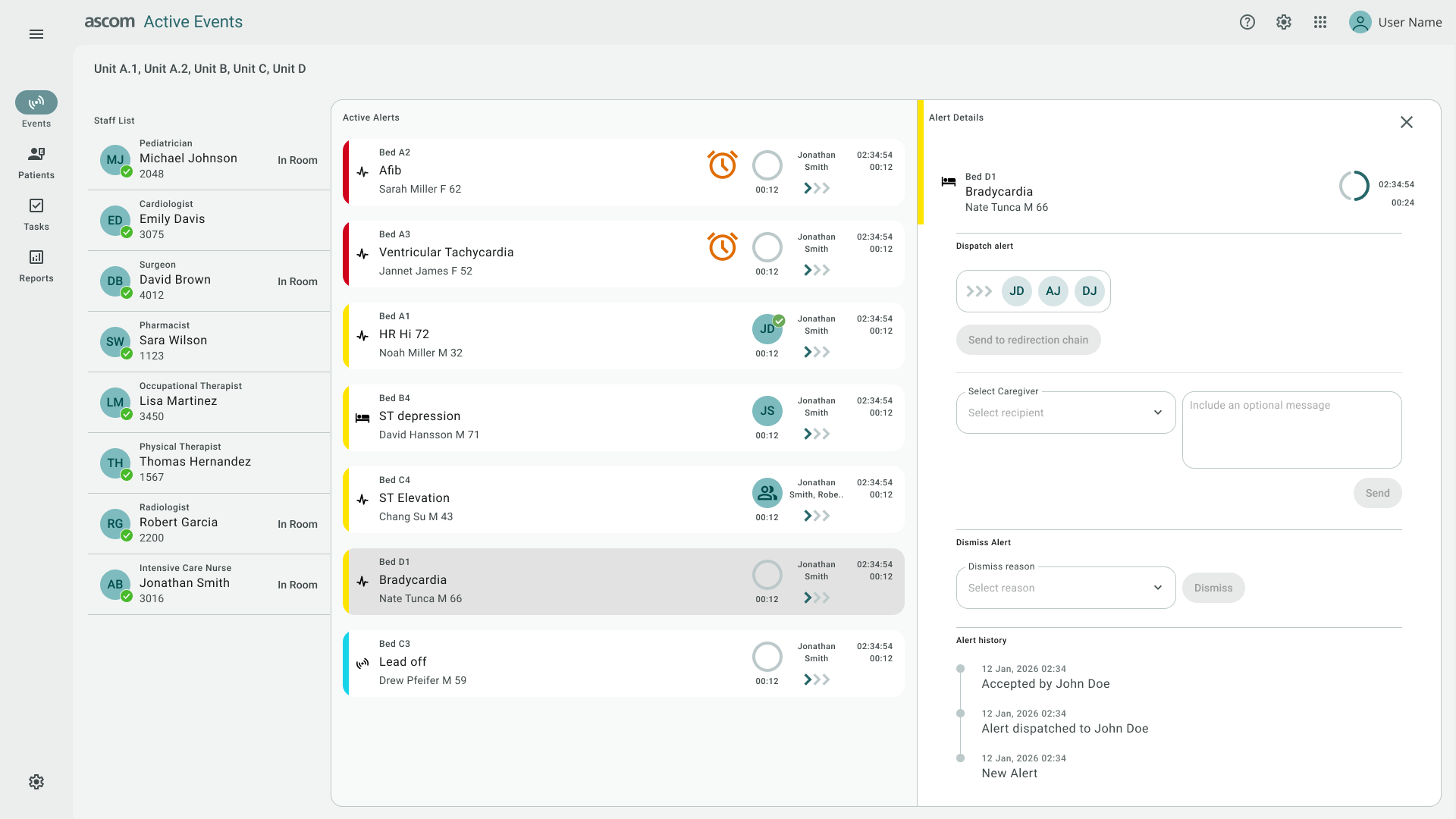
Design System
Design system is not just a tool for consistency — it is a safety mechanism.
By standardizing how critical interactions like alerts, data visualization, and configuration behave across products, we reduce cognitive load, minimize user error, and create a more predictable and trustworthy experience for clinicians operating under pressure.
A design system reduces the time it takes for a design to go from designer to implementation drastically.
-
We decided to pick a base library instead of starting from scratch because of time and resource constraints.
-
Proposed a color scheme that reflects the brand identity, medical device standards, WCAG compliance, and compatibility with the older system such that the existing users can still recognise the upgraded interfaces.
-
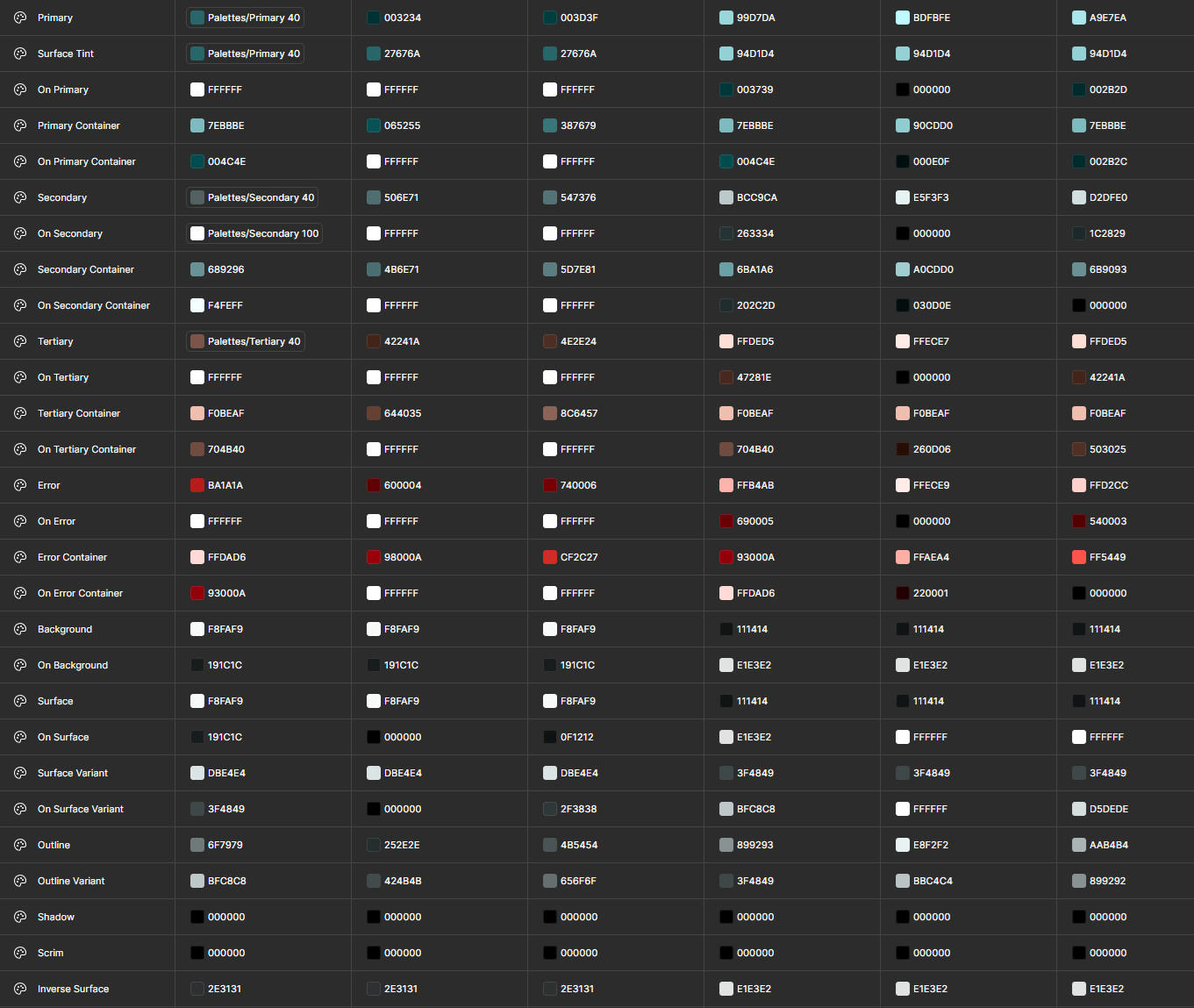
A scalable and reusable design system makes use of tokens such that the token values can be updated whenever needed but the code uses the token names that wont require update.
Created color, spacing, elevation and type tokens.
-
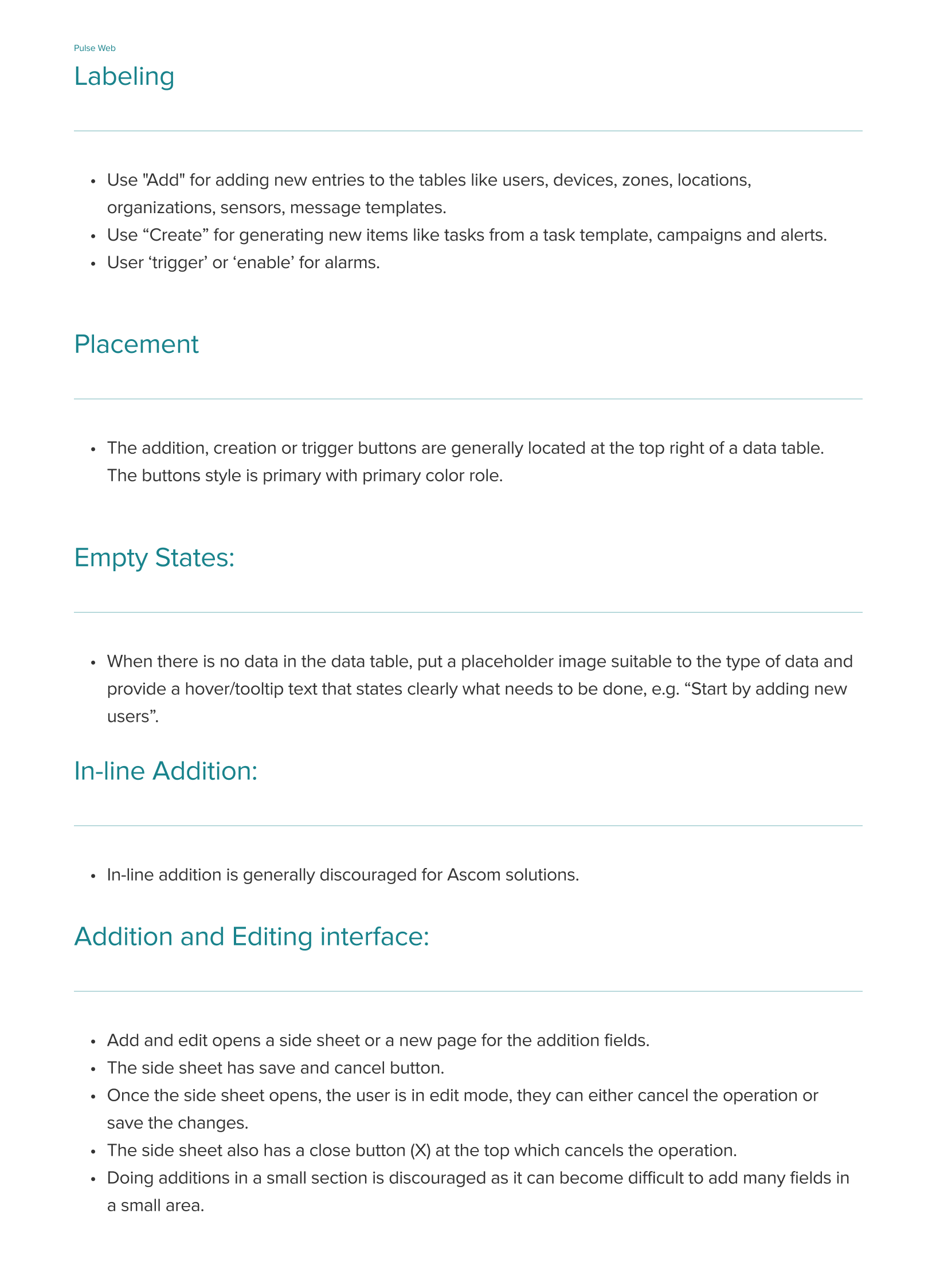
A scalable atomic design system makes use of foundations, UI elements and design patterns to offer the guidelines that create uniform predictable and recognisable interface for the end users. Created guidelines for using patterns like navigation, login, dialogues, deletion and more.
Alignment with brand identity
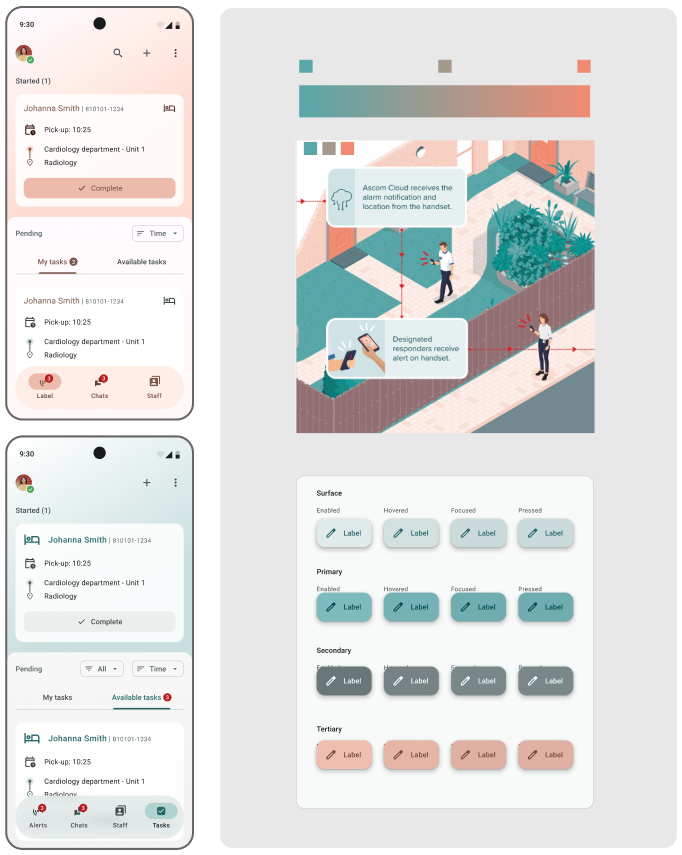
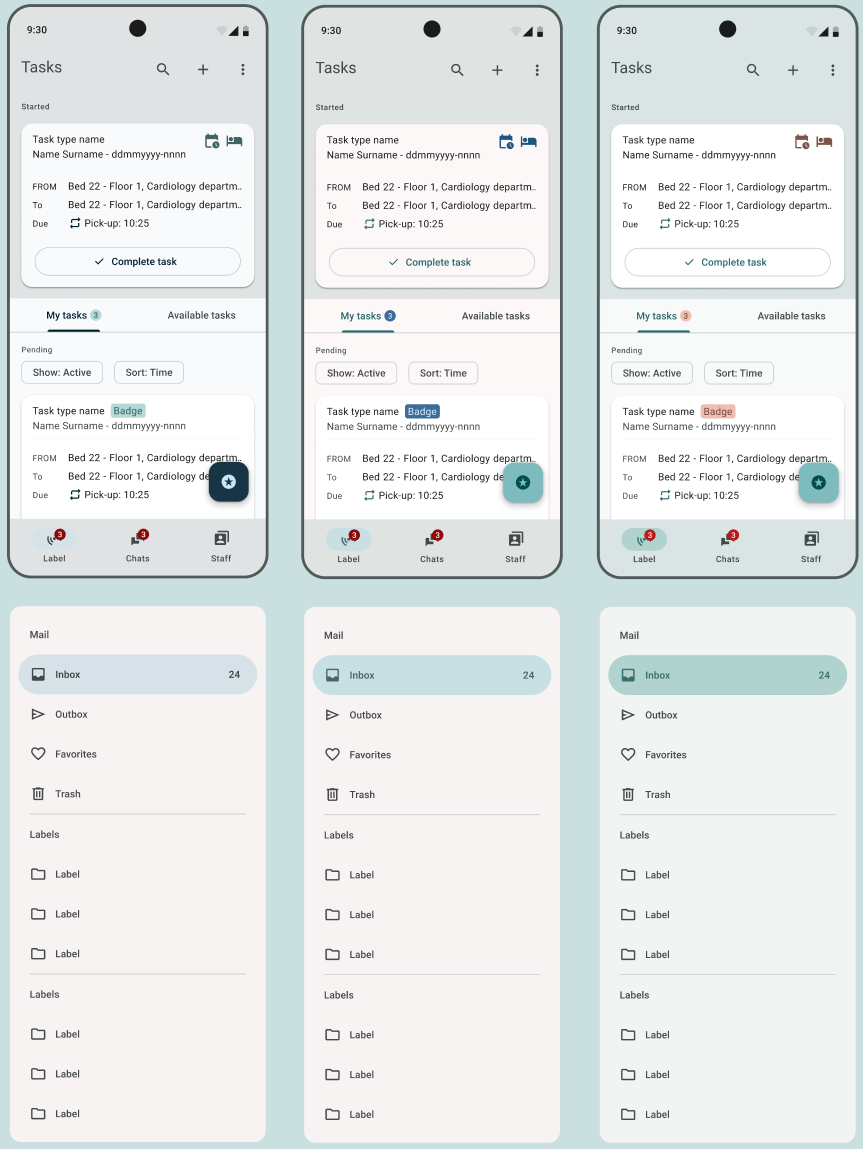
Elaboration on variations
Tokens
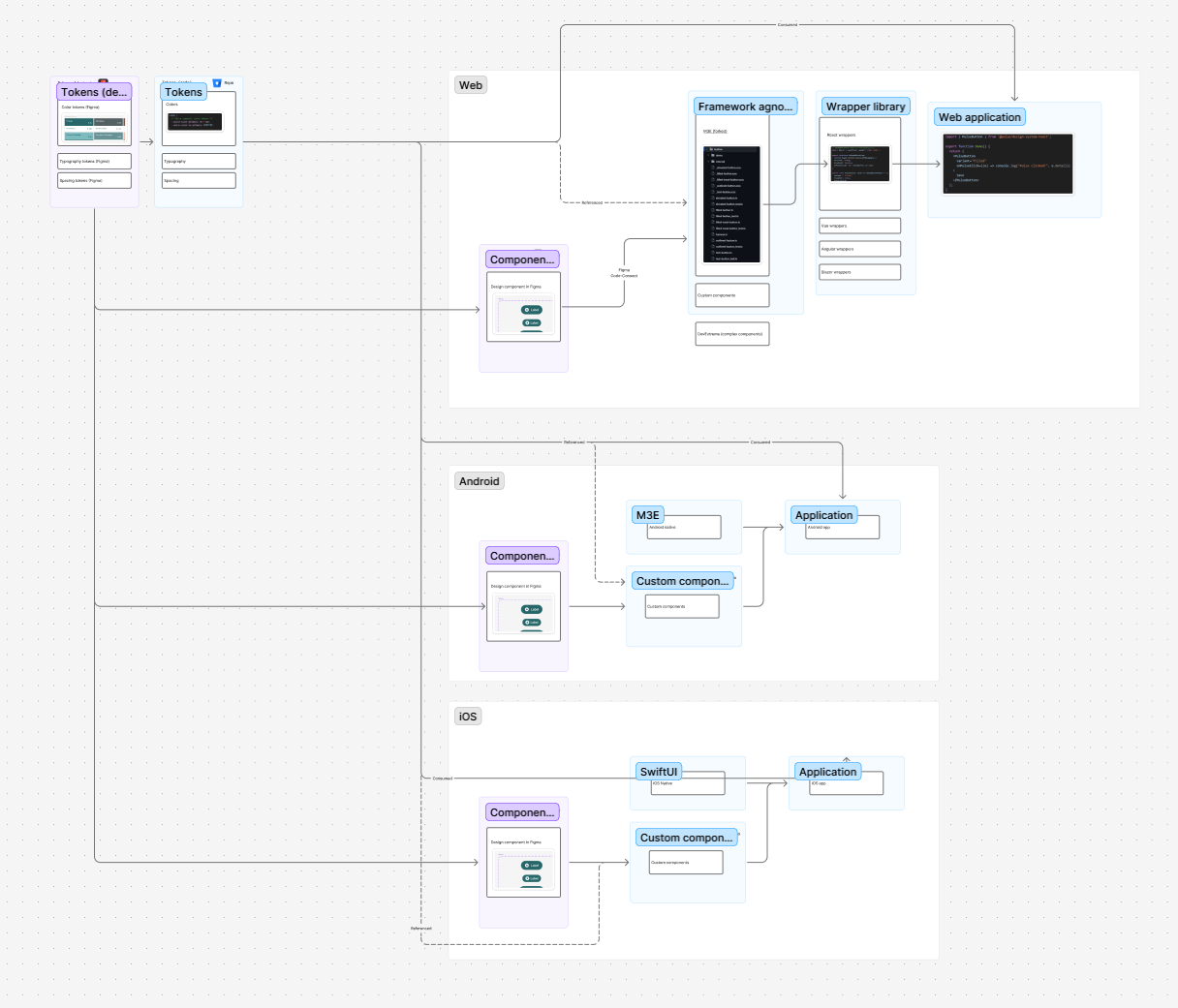
Architecture for component library
The design system from figma to code needs a streamlined structure that can be created by maintaining platform specific library.
Guidelines
Following is an example of guidelines for ‘add and edit’ created for Pulse.
Adoption and stakeholder management
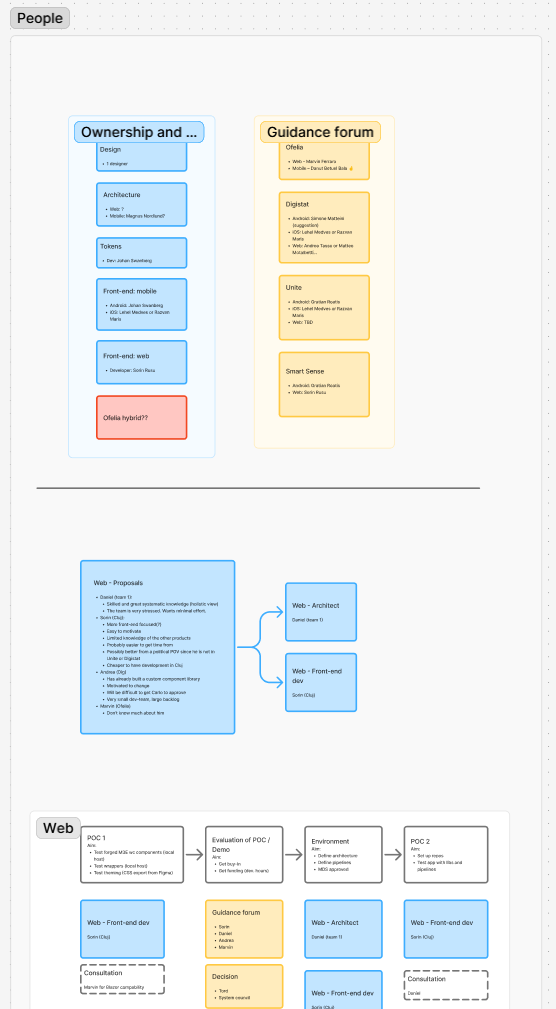
The impact of the design system cannot be seen untill its successfully and smoothly adopted in the company.
A stakeholder management and adoption plan helped to understand and find alliances in the company. People who could help make the dream come true by investing some time in implementing the component libraries for pulse. They were not just presented with the task. rather were shown the way to do it and were convinced by showing the reduced time it will take to implement solutions using the component libraries.
Result
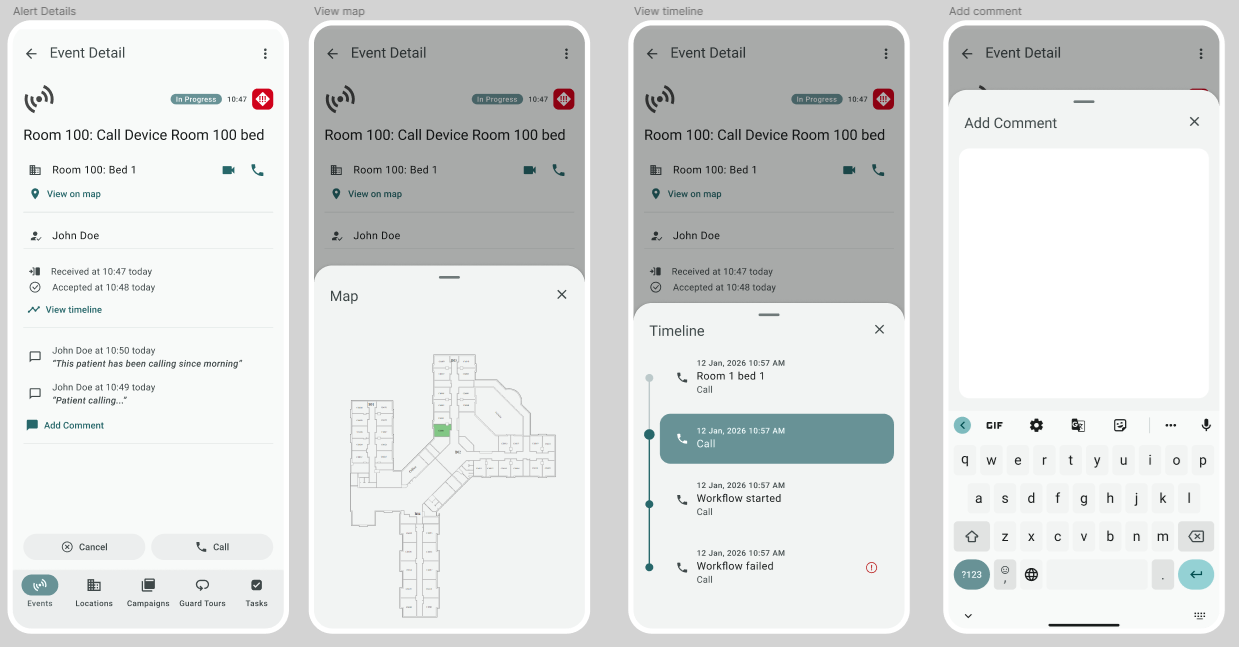
The pulse design system is being slowly adopted with each new release of products, special undergoing redesign using pulse.
The development time was a remarkable 2 weeks period which previously took a full quarter. (It also iincluded AI for coding)